



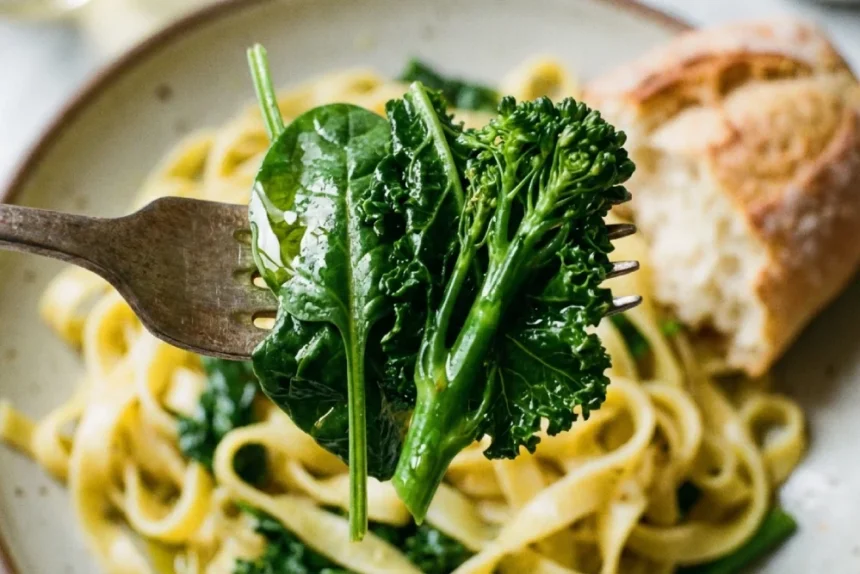
Have you ever eaten a big bowl of pasta or a bagel for lunch, felt great for about 30 minutes, and then suddenly felt like you needed a nap right at your desk?
We’ve all been there. We usually call this post-meal fatigue and blame the food itself: “Oh, carbs make me sleepy.”
But what if the problem wasn’t just the pasta? What if the problem was simply the sequence in which you ate it?
There is a fascinating shift happening in the nutrition world right now, often called the “Glucose Revolution.” The core idea is simple but powerful: You can still eat the foods you love, but by using food sequencing—simply changing the order in which you eat them—you can stop sugar spikes, keep your energy steady, and even help your waistline.
Here is the beginner’s guide to learning how to eat in the right order—backed by real data—and the safety tips you need to know.
What is a Glucose Spike? (And Why It Makes You Tired)
To understand why food order matters, we first have to talk about glucose (blood sugar).
When you eat carbohydrates—like bread, rice, fruit, or sugar—your body breaks them down into glucose. This is your body’s main source of energy. It enters your bloodstream, and your blood sugar levels rise.
This is normal. However, how fast and how high it rises makes all the difference.
- The Spike: If you eat “naked carbs” (like a piece of toast on an empty stomach), that glucose hits your bloodstream all at once.
- The Crash: Your body panics and floods your system with insulin to store that sugar away. Because it works so hard, your blood sugar often drops too low afterward. According to WebMD, this rapid drop is what causes brain fog, irritability, and cravings.
The Science of “Food Sequencing”: Does It Really Work?
It sounds too simple to be true, but the numbers back it up. Food sequencing acts like a brake system for your digestion.
In a crossover trial involving 16 adults with Type 2 diabetes, researchers found that eating protein and vegetables before carbohydrates cut the overall post-meal glucose spike by about 53% to 54% compared to eating carbs first.
Who is this for?
Most studies focus on people with Type 2 diabetes or prediabetes. However, studies on people with normal glucose tolerance show that this trick still reduces big sugar swings. You might not see a change in your average daily glucose, but you may feel steadier energy and fewer cravings.
The “Magic” Food Order to Eat (Step-by-Step)
Think of your stomach like a sink. If you pour water (sugar/carbs) into an empty sink, it drains instantly. But if you clog the drain with food scraps (fiber/protein) first, the water drains much slower.
To get the benefits, follow this sequence:
1. Fiber First (The Goalie)
Vegetables contain fiber. According to Harvard Health, fiber slows down digestion. When you eat veggies first, the fiber creates a sort of protective mesh in your upper intestine.
- The Stats: Japanese studies have shown that eating vegetables before rice results in significantly lower glucose readings after 1 and 2 hours. Over 2.5 years, this habit helped people with Type 2 diabetes maintain better control.
- Real-World Move: At a restaurant, eat the side salad or roasted Brussels sprouts before you touch the bread basket.
2. Protein and Fats (The Anchor)
Protein (meat, eggs, tofu) and fats (avocado, nuts) take longer to digest. By eating these second, you tell your stomach to slow down the emptying process.
- Real-World Move: Eat the burger patty and lettuce first; save the bun and fries for last.
3. Starches and Sugars (The Prize)
This is the pasta, rice, bread, and dessert. Because you have already lined your stomach with fiber and anchored it with protein, your body absorbs these carbs much more slowly.
2 Bonus Hacks to Lower Blood Sugar
While food order is the main strategy, there are two other simple tricks supported by science.
The Vinegar Hack (With Safety Limits)
Consuming about one tablespoon of vinegar (like apple cider vinegar) diluted in water before a meal can reduce glucose spikes.
- The Numbers: In one trial involving people with Type 2 diabetes, adding vinegar to a high-carb meal reduced the total 2-hour glucose exposure by about 40%.
- ⚠️ Safety First:
- Dilute it: Never drink vinegar straight; it can damage your tooth enamel and throat. Mix 1 tablespoon in a tall glass of water.
- Skip it if: You have kidney disease or acid reflux, as it can worsen these conditions.
The “10-Minute” Movement Rule
After a meal, don’t just sit there—move!
- The Numbers: A 2025 experiment showed that a 10-minute walk started immediately after eating lowered the peak blood sugar level more than waiting to walk later.
- Why: Your muscles use that extra glucose as fuel, pulling it right out of your bloodstream.
Important: Safety Tips for Diabetics
If you are taking insulin or medication that lowers blood sugar (like sulfonylureas), be careful. These medications are often timed to match a “normal” spike in blood sugar.
Because eating in the right order (or using vinegar) flattens that spike, your medication might work too well, causing your blood sugar to drop dangerously low (hypoglycemia). Always talk to your doctor before making these changes so they can adjust your dosage if needed.
FAQs
What is the correct order to eat food for blood sugar?
The optimal order to stop sugar spikes is to eat fiber (vegetables) first, followed by protein and fats, and save starches and sugars (carbohydrates) for last. Research indicates this sequence can lower post-meal glucose spikes by approximately 53% to 54% compared to eating carbohydrates first.
How does apple cider vinegar lower blood sugar?
Consuming one tablespoon of vinegar diluted in water before a meal can inhibit the enzyme that breaks down starch, reducing glucose spikes by up to 40%. However, always dilute vinegar to protect your teeth and throat, and avoid it if you have kidney issues or acid reflux.
Does walking after eating help with glucose spikes?
Yes. A 10-minute walk immediately after a meal helps your muscles use excess glucose from the bloodstream for fuel. A 2025 study showed that walking immediately after eating is more effective at lowering peak blood sugar levels than waiting to walk later or remaining sedentary.
Why shouldn’t I eat fruit on an empty stomach?
Eating fruit alone (“naked carbs”) causes rapid absorption of sugar into the bloodstream, leading to a spike and subsequent crash in energy. To prevent this, pair fruit with healthy fats or protein, like nuts, cheese, or yogurt, to slow down digestion and keep energy levels stable.
The Bottom Line
Nutrition doesn’t always mean cutting out foods; sometimes, it just means rearranging them.
By starting with veggies, following up with protein, and finishing with carbs, you can dampen the glucose spike by over 50%. Whether you are trying to manage diabetes or just want to avoid the afternoon slump, the “right order” is a powerful tool to have in your pocket.
Next time you sit down to eat, find the green stuff, and start there.
Disclaimer: This blog post is for informational purposes only and does not constitute medical advice. Consult with your doctor or a registered dietitian before making significant changes to your diet, especially if you have a medical condition.