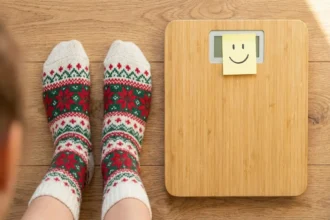




We’ve all had that moment.
Maybe it was a groan when you stood up from the deep couch. Maybe it was the sudden realization that carrying three bags of groceries from the car felt like an Olympic event. Or perhaps it was looking at a flight of stairs and feeling a quiet dread before you even took the first step.
If you’ve felt this, you aren’t alone. And more importantly—you aren’t broken. You might just need functional fitness training.
We live in a world designed to make us sit. According to the World Health Organization, approximately 27.5% of adults globally are insufficiently active[1]. Over time, our bodies get really good at sitting and not so good at moving. The result isn’t just about how we look in a mirror; it’s about how we live.
This guide is for anyone who wants a beginner home workout that actually helps you live better. We aren’t training for a magazine cover; we are doing functional workout exercises for daily life that will help you improve balance and stability and keep you independent.
Here is how functional training can change your life, and the 5 simple moves to get you started.
What Is Functional Fitness Training? (And Why You Need It)
In simple terms, functional fitness workout trains your muscles to work together and prepares them for daily tasks by simulating common movements you do at home, at work, or in sports.
According to Harvard Health Publishing, functional fitness exercises train your muscles to work together to help you perform everyday activities more easily and reduce your risk of injury[2]. This prepares your body to perform real-world activities safely and efficiently.
Unlike traditional bodybuilding, which focuses on size, functional fitness workout focuses on capability. It is the difference between having big muscles and being able to pick up your grandchild without hurting your back.
The Impact of Being Sedentary on Your Body
Why is this urgent? Because our bodies follow a “use it or lose it” rule.
Research published in the Journal of Cachexia, Sarcopenia and Muscle indicates that adults can lose 3% to 8% of muscle mass per decade after age 30, with the rate of decline accelerating after age 60[3]. This slow decline (called sarcopenia) is why things that used to feel easy suddenly feel hard.
When you start a functional fitness program, you may experience benefits such as:
- Better Balance: A systematic review published in Sports Medicine found that functional training programs incorporating balance and strength exercises may help reduce fall risk in older adults[4].
- Improved Energy for Daily Tasks: When your body moves inefficiently, it burns more energy to do simple things. Improving movement patterns through functional training exercises may help daily life feel less exhausting.
- Supporting Joint Health: By strengthening the muscles around your knees and hips, you may help support and stabilize the joints themselves.
5 Simple Functional Training Exercises Moves for Real-Life Strength
You don’t need a gym membership. You don’t need expensive equipment. You just need a little bit of floor space and a willingness to try.
Here are five functional workout exercises that directly translate to the things you do every day.
1. The Chair Squat (For Getting Up Easily)
The Real-Life Application: Getting out of a car, standing up from the toilet, or getting up from the dinner table. This is the king of sit-to-stand exercises.
How to Do It:
- Place a sturdy kitchen chair behind you.
- Stand in front of it with your feet about shoulder-width apart.
- Extend your arms in front of you for balance.
- Slowly push your hips back and bend your knees as if you are about to sit. Key Tip: Don’t let your knees cave inward; keep them in line with your toes.
- Lower yourself until your butt lightly taps the chair seat (don’t fully sit down and relax!).
- Push through your heels to stand back up.
Make it easier: Actually sit down on the chair for a second before standing up.
2. The Kitchen Counter Push-Up (For Pushing Power)
The Real-Life Application: Pushing open a heavy door, putting a suitcase in the overhead bin, or lifting yourself off the floor.
How to Do It:
- Stand facing your kitchen counter (or a sturdy table).
- Place your hands on the edge of the counter, slightly wider than your shoulders.
- Step your feet back until your body forms a straight diagonal line from your head to your heels. Engage your core.
- Lower your chest toward the counter edge by bending your elbows.
- Push back up to the starting position.
Why it works: Elevating your hands takes the pressure off your shoulders and lower back while still building excellent upper-body strength.
3. The Farmer’s Carry (For Carrying Groceries)
The Real-Life Application: Carrying groceries, moving boxes, or holding a child.
How to Do It:
- Grab two weights. This could be two dumbbells, but two reusable grocery bags filled with books or water bottles work perfectly.
- Stand tall. Shoulders back, chest up. Imagine a string pulling the top of your head toward the ceiling.
- Hold the weights at your sides with your arms straight down. Do not let the weight pull your shoulders down; fight to keep them level.
- Walk slowly around your room or down your hallway for 30–60 seconds.
Why it works: It forces your core to stabilize your entire body while moving, which is essential for preventing back pain during daily chores.
4. The Step-Up (For Climbing Stairs)
The Real-Life Application: Climbing stairs, stepping onto a curb, or getting into a large truck/SUV. This builds single-leg strength, an important component of functional fitness.
How to Do It:
- Find a sturdy bottom step of a staircase.
- Place your entire right foot onto the step.
- Press through your right heel to lift your body up until your right leg is straight. You can tap your left foot on the top step or just hover it.
- Slowly lower your left foot back to the floor. Control the descent—don’t just drop!
- Do 8–10 reps on one leg, then switch.
5. The Hip Hinge (For Saving Your Back)
The Real-Life Application: Picking up laundry, petting the dog, or lifting a heavy box from the floor.
How to Do It:
- Stand with feet hip-width apart. Hold a broomstick or just keep your hands on your thighs.
- Keep your back flat and straight.
- Unlock your knees (slight bend) but don’t squat.
- Push your butt backward toward the wall behind you. Your torso will naturally lean forward.
- Slide your hands down your thighs toward your knees. You should feel a stretch in the back of your legs (hamstrings).
- Squeeze your glutes to pull yourself back up to standing tall.
How Often Should You Train? (ACSM Guidelines)
Starting is easy; staying consistent is the challenge. If you are wondering what the “goal” is, the American College of Sports Medicine (ACSM) provides guidelines for healthy adults[5]:
- Aerobic Activity: Aim for at least 150 minutes per week of moderate activity (like brisk walking).
- Strength Training: Aim to do muscle-strengthening activities (like the 5 functional strength training exercises above) on 2 or more days a week.
Does that sound like a lot? Don’t panic. You don’t have to hit those numbers in week one.
How to Start: The “5-Minute” Rule
Don’t commit to an hour. Commit to five minutes. Tell yourself, “I will just do one set of chair squats and push-ups while the coffee brews.” Usually, once you start, you’ll feel good enough to finish. But if you stop after 5 minutes? That’s still a win.
Your body is resilient. Even if you have been sitting for years, your muscles are waiting for the signal to get stronger. By practicing these five simple functional strength training exercises, you are telling your body that you intend to stay capable, mobile, and independent for a long time to come.
Ready to start your functional fitness program? Put down the phone, find a sturdy chair, and try five squats right now. Your future self will thank you.
FAQs
What is functional fitness workout?
Functional fitness workout is a type of exercise designed to train your muscles and joints to work together for daily tasks. Unlike isolation exercises (like bicep curls), functional training exercises—such as squats or lunges—mimic real-life activities like lifting groceries, climbing stairs, or getting out of a chair, helping improve movement patterns and support quality of life.
How often should I do functional training?
According to the American College of Sports Medicine (ACSM), healthy adults should perform muscle-strengthening exercises at least two days per week. For optimal health, aim to combine these functional strength workout sessions with 150 minutes of moderate aerobic activity, such as brisk walking, spread throughout the week.
Does functional fitness training help prevent falls?
Research suggests that functional fitness training may be beneficial for fall prevention because it focuses on balance, core stability, and coordination. Studies have shown that exercise programs incorporating these elements may help reduce fall risk in older adults[4]
What’s the difference between functional training and regular gym workouts?
A functional training gym or functional fitness program focuses on movements that mimic everyday activities, while traditional gym workouts often isolate individual muscles. Functional strength training emphasizes multi-joint, compound movements that improve your ability to perform daily tasks safely and efficiently.
Can I do functional weight training at home?
Yes! Many functional workout exercises can be performed at home with minimal equipment. A functional workout routine can include bodyweight exercises, household items like water bottles or grocery bags, or simple equipment like resistance bands. You don’t need a functional training gym to build an effective functional strength training program.
Disclaimer: This article is for informational and educational purposes only and does not constitute medical advice. The author is not a medical professional or certified fitness trainer. The exercises and information presented are based on publicly available research and general fitness principles. Always consult your physician or qualified healthcare provider before beginning any exercise program, especially if you have been sedentary for a long time, or have chronic health conditions, or have any concerns about your health. Individual results may vary, and what works for one person may not be appropriate for another.
References
[1] World Health Organization. (2022). Physical activity.
[2] Harvard Health Publishing. (2022). Want a stronger core? Skip the sit-ups. Harvard Medical School.