



You’ve seen them on your feed.
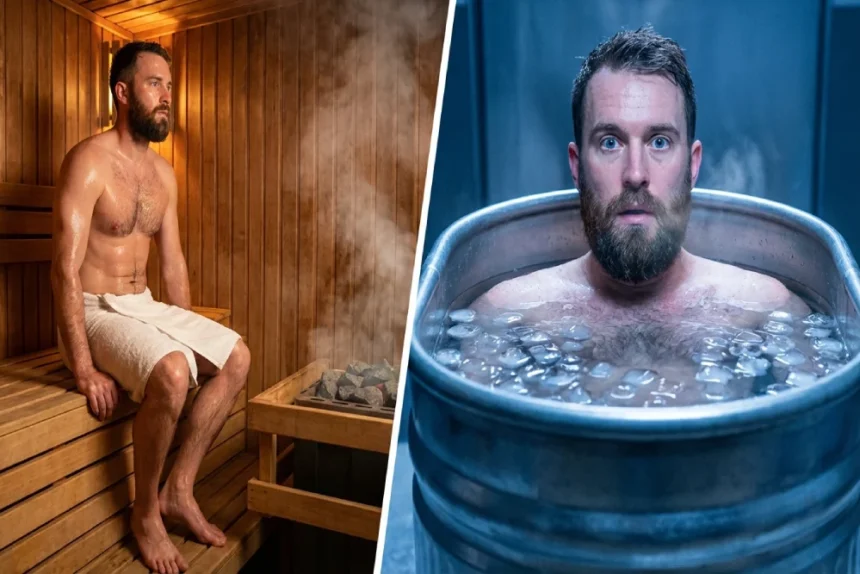
The people sitting in bathtubs filled with ice, breathing heavily, staring stoically at a wall. Or the ones posting sweaty selfies from a cedar box, claiming they’ve never felt better.
It looks intense. Honestly, sometimes it looks miserable.
But the people who practice the sauna and cold plunge routine swear by it. They claim this “thermal therapy”—using extreme heat and cold—gives them endless energy and makes them bulletproof against the flu.
But is this just a trendy wellness fad, or is there real magic behind the misery? Can freezing yourself actually teach your body to fight off a virus?
Here is the truth about the sauna and cold plunge, the science of how they impact your immune system, and whether the shivers are worth the health benefits.
What Is Thermal Therapy? (The Science of “Good Stress”)
To understand why anyone would voluntarily roast or freeze themselves, you have to understand a concept called hormesis.
Think of it as “good stress.”
We usually think of stress as bad—like a deadline or a traffic jam. But biological stress, in short bursts, wakes your body up. It’s exactly what happens when you lift weights: you tear the muscle slightly so it grows back stronger.
A sauna and cold plunge session acts as a workout for your cells. By briefly exposing your body to extreme temperatures, you force it to adapt. And that adaptation makes you resilient when real stressors (like a virus) come knocking.
The Heat: How Saunas Mimic a Fever
Saunas have been a way of life in Finland for thousands of years. But biologically, stepping into that heat is a bit of a trick. You are essentially fooling your body into thinking it has a fever.
What It Feels Like
You step in. The heat (usually between 176°F and 212°F) hits you immediately. Within minutes, you’re sweating. Your heart starts pumping faster—almost like you’re doing a light jog—and your blood vessels open wide to push blood to your skin.
Sauna Health Benefits: The Hard Data
Here is where the science gets really cool. That “artificial fever” stimulates your body to produce more white blood cells—the soldiers of your immune system.
A massive study from Finland followed over 2,200 men for about 20 years. The results regarding thermal therapy benefits were staggering:
- Fewer Colds: Men who used the sauna 2–3 times a week had a 30% lower risk of pneumonia or respiratory illness compared to those who went once.
- Super Users: For those who went 4–7 times a week? That risk dropped by nearly 50%.
- Living Longer: Frequent sauna users were 40% less likely to die from all causes during the study.
So, yes—the heat is doing real work.
The Cold: How Ice Water Affects Your Body
If the sauna is a warm hug, the cold plunge is a slap in the face. This involves dropping into water that’s roughly 45°F to 55°F. It’s not comfortable. In fact, your brain will scream at you to get out.
What It Feels Like
- Second 1: Panic. You gasp. Your blood vessels clamp shut instantly to keep your organs warm.
- Second 30: If you can control your breathing, the panic fades.
- Minute 2: You enter a strange, zen-like focus. Your brain floods with dopamine (pleasure) and norepinephrine (focus).
Immunity Reality Check: Does It Work?
Influencers love to say ice baths “supercharge” your immunity. The science? It’s promising, but not a slam dunk yet.
Older studies on “winter swimmers” showed they often had higher immune cell counts. But more recent, controlled studies haven’t found huge, lasting changes in white blood cells from plunging alone.
The verdict? Using a sauna and cold plunge together might be best, but the cold alone is better for inflammation and mental toughness than it is for fighting viruses directly.
Sauna and Cold Plunge Combined (Contrast Therapy)
Want to get wild? Try combining them.
You sit in the sauna until you’re hot, then immediately jump into the cold. This is called Contrast Therapy.
Think of your body like a pump. The heat opens your blood vessels; the cold clamps them shut. Alternating between the sauna and cold plunge creates a massive pumping effect—blood flow can change by 200% to 300% in seconds.
It’s fantastic for flushing out soreness after a workout and reducing swelling, even if the jury is still out on whether it boosts immunity more than heat alone.
Is It Safe? Risks You Need to Know
Before you jump into an ice bath, a serious warning: This is stressful on your heart.
Both extreme heat and the shock of cold water can spike your heart rate and blood pressure by 20% to 60% in seconds.
- Heart Issues: If you have a history of heart trouble, high blood pressure, or arrhythmia, ask your doctor first. The shock can be dangerous.
- The Buddy System: Never do a sauna and cold plunge session alone. People can faint in saunas or hyperventilate in cold water.
- Pregnancy: It’s generally best to skip the extreme heat if you’re expecting.
How to Start Thermal Therapy on a Budget
You don’t need a $5,000 tub or a membership to a fancy wellness club to get the benefits of a sauna and cold plunge routine. You can try this at home.
- The “Scottish Shower”: Take your normal warm shower. For the last 30 seconds, turn the handle all the way to cold. Breathe through the shock.
- The Hot Bath: A very hot bath can mimic some of the sauna’s effects.
FAQs
Do saunas and cold plunges boost immunity?
Yes, particularly saunas. A landmark Finnish study found that using a sauna 4–7 times per week reduced the risk of respiratory illnesses by nearly 50%. While cold plunges are excellent for reducing inflammation and improving mood, the direct evidence for preventing viral infections is stronger for heat therapy.
How long should you stay in a sauna and cold plunge?
For optimal benefits, aim for 15–20 minutes in a sauna (at 176°F–212°F) followed by 1–3 minutes in a cold plunge (45°F–55°F). You do not need to stay in cold water for long periods; the physiological benefits, such as the dopamine spike, occur within the first few minutes.
What is contrast therapy and how do you do it?
Contrast therapy involves alternating between hot and cold exposure. The heat dilates blood vessels, while the cold constricts them, creating a “pumping” mechanism that improves circulation and flushes metabolic waste. A common protocol is 15 minutes of sauna followed immediately by a 2-minute cold plunge, repeated 2–3 times.
Are ice baths dangerous for your heart?
They can be. The sudden shock of cold water triggers a “fight or flight” response that can spike heart rate and blood pressure by 20–60%. If you have a history of heart disease, high blood pressure, or arrhythmia, you should consult a doctor before attempting cold plunges.
The Bottom Line
So, will sitting in a freezer or an oven save you from getting sick?
It won’t make you invincible. If you never sleep and eat junk food, a sauna and cold plunge won’t save you.
But the data on saunas is undeniable: they are a powerhouse for long-term health. And while the cold plunge might be more about mental resilience than immunity, there is value in teaching your body to stay calm under pressure.
If you’re curious, start small. Turn that shower handle to cold tomorrow morning. It’ll wake you up faster than coffee, and that rush of energy you feel afterward?
That’s your body getting stronger.
Disclaimer: This blog post is for informational purposes only and isn’t medical advice. Always chat with a doctor before starting any new therapy, especially if you have heart concerns.