



Ever wake up on a Monday feeling “heavy,” like you’re carrying around every indulgent choice from the weekend? It’s that sluggish, foggy sensation that makes a vibrant, $60 juice cleanse look like a magic wand. It’s no wonder the global detox market is set to hit $71 billion this year. We all crave that “fresh start” feeling, but it leads us to a central question: can you actually cleanse your body with a bottle of juice, or is there a better way?
Before you trade your solid meals for expensive green water, let’s look at the incredible “cleaning crew” already living inside you. The truth is, wanting to feel “clean” is completely valid. We live in a world where the CDC has found an average of 147 different chemicals in the blood of the average person. It’s natural to want to hit the reset button. However, when people ask, “can you actually cleanse your body?”, science tells a much more interesting—and delicious—story than anything you’ll find on a detox tea label.
Save this for later
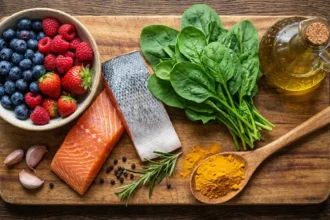
Keep these food swaps handy the next time you’re tempted by a “quick fix” cleanse.
The juice cleanse illusion: Why liquid diets often fail
If you’ve ever tried a juice cleanse, you might have felt lighter for a day or two. But here’s the catch: it’s usually not because you “flushed out toxins.” In fact, there aren’t any randomized controlled trials proving that juice cleanses actually clear toxins from the body. When you wonder, “can you actually cleanse your body with liquids?”, the answer is usually found in your water weight.
According to Harvard Health, 80–90% of that initial weight loss is just water and stored carbs (glycogen) being used up. That’s why most people experience a rebound weight gain of about 2 lbs almost as soon as they eat solid food again. The “energy boost” people report? It’s usually just the result of cutting out processed sugars and heavy fats, not a miracle in the juice. Even worse, the FDA has issued warnings about “detox” products containing hidden laxatives. These don’t cleanse you; they just irritate your digestive tract, leaving 75% of users chronically dehydrated.
Meet your in-house cleaning crew: The liver and kidneys
If your body actually accumulated “toxins” the way marketing suggests, you wouldn’t need a juice—you’d need a hospital. You already own the most sophisticated detox system on the planet.
The liver: Your high-tech filtration plant
Think of your liver as a high-tech filtration plant. It identifies harmful substances and converts them into something your body can safely discard. It is the primary answer to the question, “can you actually cleanse your body?”—because that is its full-time job.
The kidneys: Your body’s internal plumbing
These are your body’s plumbing. They filter your blood to remove waste. Even mild dehydration can drop your kidney filtration by 20%, making plain water far more effective than any “detox” tea. As WebMD points out, if these organs are healthy, they’re doing 100% of the work you need, 24 hours a day.
The science of your “recycling center”: Phase 1 and Phase 2 detox
Your liver doesn’t just “dump” waste; it processes it in two distinct steps. Imagine a recycling center: In Phase 1, the liver breaks down the “trash” into smaller, often more reactive pieces. In Phase 2, it packages those pieces so they can be sent out of the body. To keep this plant running, your body needs specific nutrients—not just fruit sugar.
One of the most vital molecules here is glutathione, the “master antioxidant.” To make it, your body needs high-quality protein. This is why many juice cleanses actually slow down your natural detox: they lack the protein your liver needs to finish the job. Without it, the “trash” gets stuck in Phase 1, which can actually increase internal inflammation. So, can you actually cleanse your body while skipping protein? Science suggests the answer is no.
What actually supports your natural detoxification systems?
Instead of a restrictive diet, the best way to feel “clean” is to give your organs the tools they need to thrive. Here are the science-backed heavy hitters:
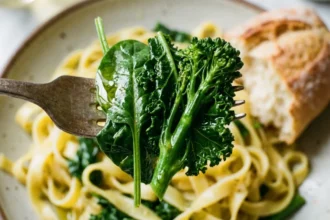
- Cruciferous Veggies: Broccoli, cauliflower, and Brussels sprouts contain sulforaphane. Research shows this can increase the detox of certain airborne toxins by 61%. Eating just 200g of broccoli a week can boost your liver’s natural enzyme activity by 30%.
- Adequate Protein: As we mentioned, your liver needs amino acids to bind to toxins. Protein is the fuel for your liver’s engines. Without it, the whole system stalls.
- Hydration: Water is the medium your kidneys use to flush waste. Staying hydrated is the best way to prevent that 20% drop in filtration efficiency.
A simple menu to help you feel “clean” without the hunger
Want to support your body without the hunger of a cleanse? If you’re still asking, “can you actually cleanse your body through food?”, try adding these to your plate:
- Eggs or Lentils: High-quality protein to keep glutathione production steady.
- Roasted Broccoli or Kale Salads: To jumpstart those liver enzymes with sulforaphane.
- Garlic and Onions: These contain sulfur, which can boost Glutathione S-transferase (GST)—a key detox enzyme—by 20%.
- Lemon Water: It’s not a magic “detox” drink, but it encourages the hydration your kidneys need to filter at 100% capacity.
Reframing the “detox” mindset
The next time you feel sluggish, don’t reach for a “skinny tea” that might carry hidden risks. Instead, ask yourself: “can you actually cleanse your body by giving your liver and kidneys the tools they need to work?” Detoxing isn’t something you do to your body; it’s something your body is already doing.
When we shift from “cleansing” to “supporting,” we move away from restriction and toward nourishment. You don’t need a miracle in a bottle. You just need a well-stocked vegetable drawer, plenty of water, and the protein required to keep your internal filters running at their best.
FAQs
Do juice cleanses actually remove toxins from the body?
There are no randomized controlled trials proving that juice cleanses clear toxins. Harvard Health notes that 80–90% of initial weight loss is simply water and stored glycogen. Additionally, some detox products contain hidden laxatives that irritate the digestive tract, causing dehydration rather than a true internal “cleanse.”
How does dehydration affect the body’s natural detox process?
Proper hydration is essential for kidney function, as water is the medium used to flush waste from the blood. Even mild dehydration can drop kidney filtration efficiency by 20%. Maintaining adequate water intake is a more effective way to support the body’s natural plumbing than using “detox” teas.
What are Phase 1 and Phase 2 of liver detoxification?
During Phase 1, the liver breaks down waste into smaller, reactive pieces. In Phase 2, it packages these pieces for removal. This system requires specific nutrients, including high-quality protein to produce glutathione. Without these tools, the detoxification process can stall, potentially leading to increased internal inflammation.
Disclaimer: This article is for informational purposes only and does not constitute medical advice. If you are concerned about whether you can actually cleanse your body to address persistent fatigue or health issues, please consult with a healthcare professional before starting any new diet or supplement.