


Have you ever spent a full weekend alone and felt completely recharged, only to find that another time, being by yourself felt like a heavy, suffocating weight?
There’s a massive difference in the debate of solitude vs isolation. In our hyper-connected world, we often mix up these two signals. But learning to tell the difference between restorative solitude and painful disconnection is one of the kindest things you can do for your mental health. It’s more relevant than ever—the World Health Organization (WHO) recently reported that 1 in 6 people are now affected by social isolation.
If you’ve ever felt guilty for wanting to cancel plans, or conversely, felt “lonely in a crowd,” this breakdown of chosen aloneness and the benefits of solitude for mental health is for you.
What is Solitude? The Power of Chosen Aloneness
At its heart, solitude is a state of being alone without feeling lonely. It’s a positive, intentional choice that lets you engage with yourself. Think of it as a “reset button” for your brain. Research suggests that intentionally choosing to be alone for just three weeks can significantly lower stress and boost your sense of independence.
Restorative Solitude: A Reset for Your Brain
When you seek out solitude, you aren’t running away from people; you’re running toward yourself. It’s that quiet cup of coffee before the house wakes up or a solo walk through the park. In these moments, you aren’t reacting to anyone else’s needs. This allows your nervous system to exit “performance mode” and finally rest.
The Hidden Dangers of Social Isolation
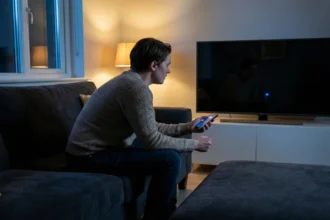
Isolation is different. It’s usually an enforced or accidental disconnection that feels like being “cut off.” While solitude recharges your battery, isolation drains it. Global data shows that roughly 33.6% of people experience this state—one that feels more like a cage than a sanctuary.
According to the CDC, social isolation isn’t just a sad feeling; it carries severe physical consequences. Prolonged isolation can increase the risk of premature death as much as smoking or obesity. It’s linked to a 50% increased risk of dementia, a 29% higher risk of heart disease, and a 32% increased risk of stroke.
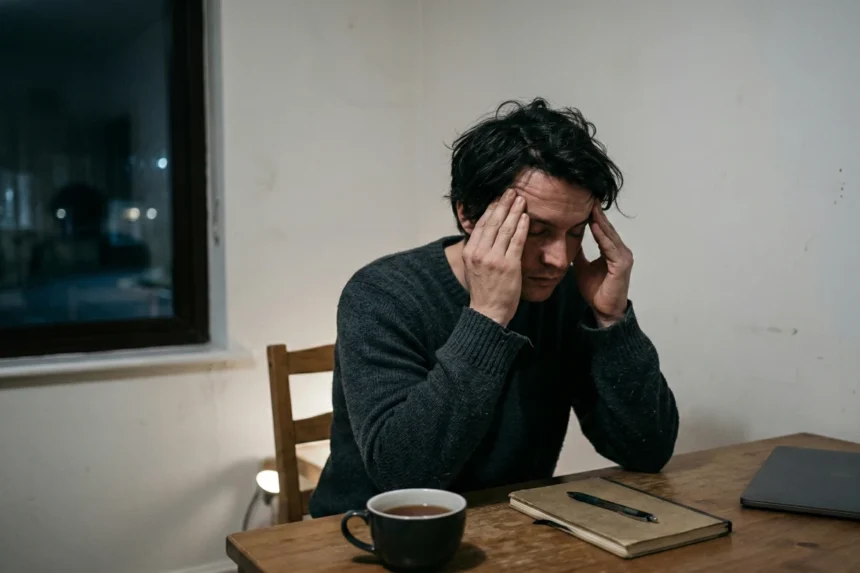
While solitude is expansive, isolation is a high-risk health condition that often goes unrecognized until the physical toll begins to show.
Developing the “Capacity to Be Alone”
Psychoanalyst Donald Winnicott once introduced a beautiful concept called the capacity to be alone. He argued that being able to enjoy your own company is actually a sign of emotional maturity and security.
When you have this capacity, you don’t need constant external noise to feel “okay.” This isn’t about introversion vs loneliness; it’s about a sense of self-worth that doesn’t depend on likes or constant conversation. Interestingly, the average person’s daily alone time increased from 285 minutes in 2003 to 309 minutes in 2019. We are spending more time alone, but the trick is learning how to navigate solitude vs isolation well.
Why Solitude is a Mental Health Superpower
In a world that never stops talking, spending time alone offers several scientifically backed benefits:
- Brain Recovery: Our minds are constantly bombarded by noise. Solitude gives the prefrontal cortex a chance to recover.
- Deep Self-Reflection: Without the “social mirror” of other people, you can figure out what you actually think, rather than what you’re expected to think.
- Creative Spark: Many great ideas come from moments of quiet incubation.
- Emotional Processing: Spending time alone helps you sit with difficult emotions rather than just distracting yourself from them.
When Does “Alone Time” Become Avoidance?
It’s important to recognize when a healthy need for space crosses the line into unhealthy withdrawal. Sometimes, anxiety or depression can mask themselves as a “need for solitude.”
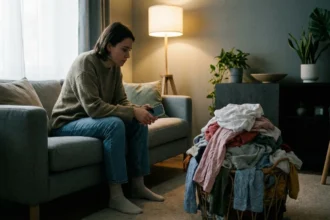
If you’re canceling plans because you’re afraid of social interaction rather than because you need to rest, that’s a red flag for social withdrawal avoidance. Healthy solitude leaves you feeling ready to reconnect. Unhealthy isolation makes the idea of seeing people feel impossible. This distinction is vital: while chronic loneliness symptoms affect about 7.1% of adults, nearly half of us feel lonely occasionally.
The Mayo Clinic notes that while some alone time is good, prolonged disconnection can lead to deep depression. If your time alone feels like a “hiding spot” rather than a “charging station,” it might be time to reach out.
Practical Ways to Find Healthy Solitude
To move away from the weight of solitude vs isolation, you have to practice “letting go” of the constant need for digital connection.
- The Phone-Free Hour: Set a timer for 60 minutes and put your phone in another room. Notice what thoughts bubble up when you aren’t being distracted.
- Date Yourself: Go to a movie or a cafe alone. Practice being “seen” by the world while staying in your own company. It builds that capacity to be alone in public.
- Journal the Silence: If being alone feels scary, write it down. Are you actually lonely, or are you just unaccustomed to the quiet?
- Scheduled Connection: To stop solitude from sliding into isolation, schedule one meaningful social interaction a week. It “anchors” you to the world so you can enjoy your quiet time without drifting too far away.
According to the World Health Organization (WHO), social well-being is a pillar of overall health. Finding the balance between solitude vs isolation is the art of being your own best friend. You don’t need to be available to everyone all the time, but you do need to be available to yourself. Learning to love your own company isn’t just a preference—it’s essential for your survival.
Save this for later. You might need this reminder the next time the world feels a little too loud.
FAQs
What is the main difference between solitude and isolation?
Solitude is a positive, intentional choice to spend time alone for self-engagement and reflection, often leaving one feeling recharged. In contrast, isolation is an enforced or accidental disconnection that feels like a “cage.” While solitude recharges your mental battery, isolation drains it and carries significant physical and mental health risks.
What are the health risks associated with social isolation?
According to the CDC, social isolation can lead to severe physical consequences similar to smoking or obesity. It is linked to a 50% increased risk of dementia, a 29% higher risk of heart disease, and a 32% increased risk of stroke. Prolonged disconnection can also contribute to deep depression and premature death.
What are the primary mental health benefits of solitude?
Solitude acts as a “reset button” for the brain, offering several scientifically backed benefits. It allows the prefrontal cortex to recover from noise, fosters deep self-reflection away from social pressure, and encourages a “creative spark” through quiet incubation. Additionally, it helps individuals process difficult emotions rather than simply distracting from them.
How can I tell if my alone time is healthy or if it is social avoidance?
Healthy solitude leaves you feeling recharged and ready to reconnect with others. It becomes social withdrawal avoidance if you cancel plans due to a fear of interaction rather than a need for rest. If alone time feels like a “hiding spot” rather than a “charging station,” it may indicate unhealthy withdrawal.
What are practical ways to develop a healthy capacity to be alone?
You can build this capacity by practicing “phone-free” hours to sit with your thoughts or by “dating yourself” at a cafe to get comfortable in your own company. Journaling can help process the silence, while scheduling one weekly meaningful social interaction “anchors” you to the world, preventing solitude from sliding into isolation.
Disclaimer: This article provides general information for educational purposes and is not a substitute for professional medical advice. If you are experiencing persistent feelings of loneliness, depression, or social anxiety, please consult a healthcare provider or mental health professional.