


It happens every December. You wake up with a scratchy throat and a stuffed nose right before a big family gathering. You rush to the pharmacy, but you might be ignoring a critical risk: the link between cold medicine and high blood pressure.
You take a dose to power through the day, but an hour later, you feel a pounding in your chest. While we worry about salty holiday food, the medication we take to survive the season is often the silent culprit.
With 47% of U.S. adults living with hypertension, understanding the relationship between cold medicine and high blood pressure is vital. Many common OTC remedies work by constricting blood vessels—great for clearing a nose, but dangerous for your heart. Here is the evidence-based guide to which meds spike your numbers and what to take instead.
The Hidden Link Between Cold Medicine and High Blood Pressure
If you think this only applies to “sick people,” think again. Americans spend over $3 billion annually on OTC cold meds, yet over 70% of multi-symptom formulas contain ingredients that can destabilize heart health.
When you combine holiday stress with the wrong medication, you create a “perfect storm.” Understanding which cold medicine and high blood pressure interact negatively is the first step to protecting yourself this winter.
3 Common Holiday Medications That Raise Blood Pressure
Here are the three specific categories of drugs that most frequently cause issues for people managing hypertension.
1. Decongestants (Pseudoephedrine)
The most common offender in the relationship between cold medicine and high blood pressure is the decongestant. If a box says “Sinus Relief” or “Non-Drowsy,” it likely contains Pseudoephedrine or Phenylephrine.
How it works:
According to the Mayo Clinic, decongestants work by narrowing the small blood vessels in your nose to stop swelling. However, the medication isn’t smart enough to only target your nose. It tightens blood vessels throughout your body.
The Data:
Meta-analyses show that pseudoephedrine can increase Systolic Blood Pressure by 1–4 mmHg. While small, for someone with high blood pressure, this constriction can interfere with prescribed medication and trigger palpitations.
2. NSAIDs (The Pain Reliever Trap)
Between shopping marathons and headaches, painkillers are a staple in December. But not all are heart-safe. Ibuprofen (Advil) and Naproxen (Aleve) are NSAIDs that can worsen the conflict between cold medicine and high blood pressure.
The Risk:
NSAIDs reduce pain by blocking enzymes, but they also cause your kidneys to retain fluid. Cleveland Clinic experts warn that this increases blood volume, forcing your heart to pump harder.
The Data:
Studies show NSAIDs can spike blood pressure by 3–5 mmHg. Chronic use can block the effectiveness of diuretics or ACE inhibitors, rendering your daily blood pressure pill less effective.
3. Effervescent Antacids (The Sodium Bomb)
The holidays are famous for rich foods and indigestion. Many people reach for fizzy antacids to settle their stomachs, not realizing the risk.
The Culprit:
Sodium Bicarbonate.
The Risk:
To make those tablets fizz, manufacturers use baking soda. A single dose can contain between 390mg and 1,000mg of sodium. Since salt intake is a major driver of hypertension, consuming nearly two-thirds of your daily sodium limit in one glass of medicine acts as a “salt bomb,” causing immediate fluid retention.
Safe Swaps: Choosing Heart-Safe Cold Medicine
You don’t have to suffer through a holiday cold. You just need to choose safe cold medicine for hypertension that doesn’t fight your cardiovascular system.
- For Congestion: Look for “HBP” brands (like Coricidin) that are specifically formulated without decongestants. Alternatively, use saline nasal sprays or adhesive nasal strips, which are completely drug-free.
- For Pain: Acetaminophen (Tylenol) is generally considered the safest pain reliever for those concerned about cold medicine and high blood pressure. It affects the liver rather than the kidneys and typically avoids fluid retention.
- For Indigestion: Calcium carbonate tablets (like Tums) treat heartburn without the massive sodium load of effervescent powders.
The Bottom Line
The holidays are stressful enough without a medical emergency. Your body is resilient, but it needs your help to navigate the winter season safely.
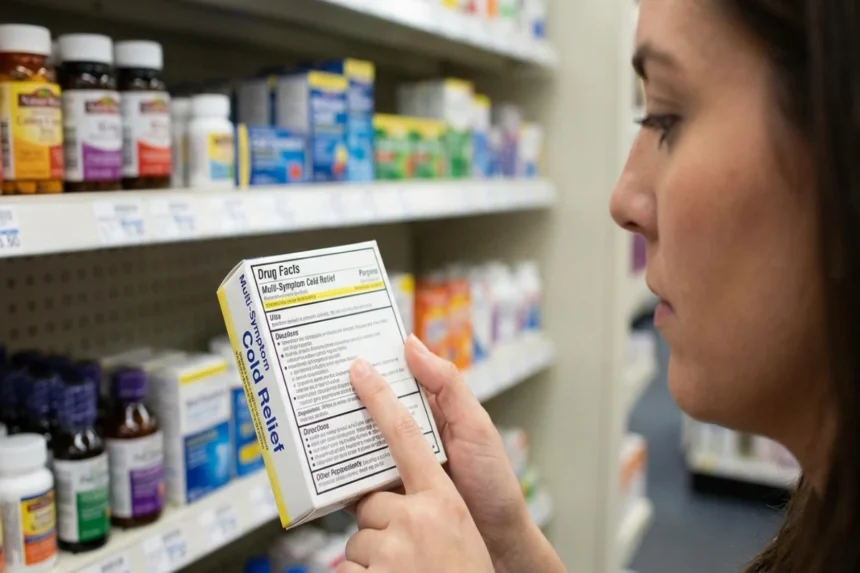
Before you take anything for a cold or headache this week, flip the box over. If you see “Pseudoephedrine” or high sodium content, put it back. By making these small swaps, you can manage your symptoms without worsening the conflict between cold medicine and high blood pressure.
FAQs
Does cold medicine raise blood pressure?
Yes, many cold medicines contain decongestants like pseudoephedrine and phenylephrine, which work by narrowing blood vessels. This constriction can increase blood pressure and heart rate, making them potentially dangerous for individuals with hypertension or heart disease. Always check labels or choose HBP-safe formulas.
Are NSAIDs safe for high blood pressure?
NSAIDs (like ibuprofen and naproxen) can raise blood pressure by causing the kidneys to retain fluid and sodium. They may also interfere with the effectiveness of prescribed blood pressure medications. For most people with hypertension, acetaminophen (Tylenol) is considered a safer alternative for pain relief.
What cold medicine is safe for high blood pressure?
Look for medications labeled specifically for people with high blood pressure, such as Coricidin HBP, which are decongestant-free. Other safe options include saline nasal sprays, nasal strips, and antihistamines like diphenhydramine (Benadryl) or loratadine (Claritin) for congestion and sneezing.
Do antacids affect blood pressure?
Yes, some antacids, particularly effervescent ones (like fizzy tablets), contain high levels of sodium bicarbonate (baking soda). The high sodium content can cause fluid retention and a rapid spike in blood pressure. Calcium carbonate tablets (like Tums) are generally a safer, lower-sodium choice for heartburn.
Disclaimer: This article is for informational purposes only and is not a substitute for professional medical advice. Always consult with your doctor or pharmacist before starting new over-the-counter medications, especially if you have existing heart conditions or take prescription drugs.