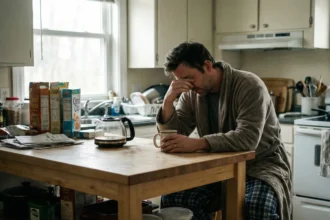




Feeling worse after getting healthy is one of the most common reasons people quit their new routines before they ever see results. You’ve swapped the soda for water, hit the gym three days in a row, and finally tucked yourself into bed by 10:00 PM. So why do you feel like you’ve been hit by a truck instead of radiating that “new life” glow? It turns out, your body isn’t rejecting your new choices. It is simply undergoing a massive internal renovation—and as anyone who has ever remodeled a kitchen knows, things get messy before they get beautiful.
If you’ve been blaming yourself for feeling sluggish, cranky, or sore just as you started “doing everything right,” breathe a sigh of relief. This phase of feeling worse after getting healthy is a common biological transition. It is often misunderstood as a “healing crisis,” but the scientific reality is much more grounded and, thankfully, much more manageable. Understanding these symptoms of getting healthy can help you stay the course during a difficult healthy lifestyle transition.
Save this for later
You’ll want to return to these insights the next time you feel like quitting because your new routine feels “too hard.”
The myth of the toxic “purge”
In the world of extreme wellness, people often talk about a “healing crisis” or a “Herxheimer reaction.” They suggest that feeling worse after getting healthy is a badge of honor, proving your body is purging “poisons.” However, experts generally agree that your liver and kidneys are already powerhouses. They filter waste every single day without needing a “crisis” to function.
What you’re actually feeling is a physiological adjustment. Your body loves homeostasis—which is just a fancy way of saying it likes things to stay exactly as they are. When you are feeling worse after getting healthy, you’re asking your biology to rewrite its entire operating manual. That takes serious energy, and the process can feel pretty uncomfortable at first. Your body adjusting to new habits is a labor-intensive process for your cells.
Why new movement leads to delayed onset muscle soreness (DOMS)
If you’ve started a new exercise routine, you’re likely familiar with delayed onset muscle soreness. It affects roughly 70% of new exercisers and usually peaks about two to three days after a workout. This isn’t your body “breaking down.” It’s the process of building a stronger version of you. If you’ve been asking, “why do I feel tired after working out,” the answer lies in the remodeling phase of your muscles.
Think of it like charging an old internal battery that hasn’t been used in years. According to health.gov, tiny microscopic tears in your muscle fibers signal your body to repair and grow. This often results in a 10–20% increase in strength once the work is done. That “heavy” feeling in your legs is actually the sound of your body becoming more efficient. Feeling worse after getting healthy is often just the physical evidence of structural improvement.
The brain fog of caffeine and sugar withdrawal
Perhaps the most brutal part of getting healthy is the “brain fog” that comes from cutting out processed sugars or caffeine. Since 35% of Americans use caffeine chronically, withdrawal is a major hurdle. Research shows that 50% of people experience caffeine withdrawal headaches and 13% feel significant impairment during this shift. Feeling worse after getting healthy is frequently a result of brain chemistry recalibrating.
Caffeine works by blocking adenosine receptors in your brain to keep you alert. When you stop, those receptors are suddenly flooded, leading to fatigue and mood drops that peak within two days. Sugar works similarly on the brain’s reward centers; the sugar withdrawal timeline involves a temporary dip in “feel-good” chemicals. The good news? Gradually tapering your intake can cut these symptoms by half. If you are feeling worse after getting healthy, check your caffeine and sugar intake levels first.
Paying off your sleep debt and the grogginess of sleep inertia
It’s incredibly frustrating to sleep more but wake up feeling more exhausted. This usually happens because you’re finally paying off sleep debt. Since 35% of adults get less than seven hours of sleep, many of us live in a state of chronic high alert, fueled by adrenaline. Feeling worse after getting healthy can occur because your body finally feels safe enough to stop running on fumes.
The Sleep Foundation explains that as you start resting properly, your sleep architecture changes. Your brain tries to “catch up” on deep, restorative maintenance. This can leave you feeling groggy for 30 to 60 minutes in the morning—a phenomenon called sleep inertia. Your body is finally allowing itself to drop into the deep rest it’s been starved of for months. Feeling worse after getting healthy is sometimes just the exhaustion of a long-overdue recovery.
Gut microbiome shifts: When healthy food causes bloating
When you start eating more fiber, you’re changing the entire landscape of your gut. Since 90% of people don’t eat enough fiber, a sudden increase causes gut microbiome shifts. As the “good” bacteria move in, you might notice bloating or extra “noise” for 3 to 14 days. Feeling worse after getting healthy in your digestive tract is a sign that your internal ecosystem is rearranging itself for the better.
It’s not that the healthy food is “bad” for you. It’s just that your internal ecosystem is learning how to process high-quality fuel again. Once your microbiome stabilizes, that discomfort typically vanishes, leaving you with much better digestion than before. If you are feeling worse after getting healthy, remember that your gut bacteria are simply adjusting to their new, improved diet.
How to support your body adjusting to new habits
You don’t have to suffer through the “Healthy Hangover” without help. If you find yourself feeling worse after getting healthy, you can make the renovation process smoother with a few simple focuses. First, hydrate like it’s your job; water helps manage withdrawal headaches and keeps your digestion moving.
Second, embrace gentle movement. If you’re too sore for the gym, try a 10-minute walk in the sun. Sunlight helps regulate your circadian rhythm and can boost melatonin production, which stabilizes your energy levels. Third, be patient. Feeling worse after getting healthy is a temporary phase, not a permanent state. By supporting your body adjusting to new habits, you ensure that this transition leads to long-term vitality.
If you feel worse today than you did when you were staying up late and eating junk, don’t take it as a sign to go back. Your body is doing the heavy lifting of recalibrating your hormones, repairing your muscles, and rebalancing your brain. Feeling worse after getting healthy is a signal of deep, structural change.
This discomfort is temporary, but the strength you’re building is permanent. You aren’t failing; you’re simply “under construction.” Be as kind to your body as you would be to a friend going through a tough time. Feeling worse after getting healthy is just the first step toward a version of you that is fully charged and ready to thrive. Stick with it—you’re doing great.
FAQs
Why do I feel worse after starting a new healthy routine?
Feeling worse after getting healthy is a common biological transition caused by your body adjusting to new habits. This physiological adjustment requires significant energy as your biology recalibrates hormones, repairs muscles, and rebalances brain chemistry. It is a sign of structural change rather than a rejection of your new choices.
What are common physical symptoms of a healthy lifestyle transition?
Common symptoms of getting healthy include delayed onset muscle soreness (DOMS), which causes peak pain two to three days after exercise. You may also experience caffeine withdrawal headaches, brain fog from sugar reduction, grogginess known as sleep inertia, and temporary digestive bloating due to gut microbiome shifts.
How long does digestive bloating last when increasing fiber intake?
When you increase fiber, your gut microbiome shifts as beneficial bacteria move in. This internal ecosystem rearrangement can cause temporary bloating or digestive “noise” typically lasting between 3 to 14 days. Once the microbiome stabilizes, this discomfort vanishes, usually resulting in significantly improved digestion compared to your previous diet.
How can I manage caffeine and sugar withdrawal symptoms?
To manage symptoms like headaches and fatigue during a healthy lifestyle transition, research suggests that gradually tapering your intake can reduce symptoms by half. Additionally, staying properly hydrated helps manage withdrawal headaches and supports the chemical reactions your body needs to recalibrate its brain chemistry and reward centers.
Why am I more exhausted after getting more sleep?
Waking up exhausted after increasing rest usually happens because you are paying off a chronic sleep debt. Your sleep architecture changes as the brain catches up on deep, restorative maintenance. This results in sleep inertia, a period of grogginess lasting 30 to 60 minutes after waking up.
Disclaimer: This article is for informational purposes only and is not a substitute for professional medical advice. If you experience severe pain, prolonged exhaustion, or symptoms that do not improve after a week of feeling worse after getting healthy, please consult a healthcare professional to check for underlying issues like iron levels or thyroid function.