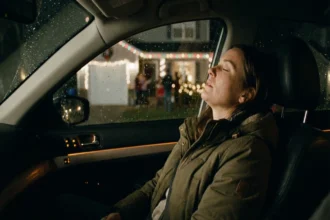




It’s 8:00 PM on a Friday. You’ve had a long week at work. You finally sit down, open Instagram, and boom—your feed is flooded.
There are photos of brunches, group dinners, and friends hiking together. You double-tap a photo, maybe leave a comment, but then you put your phone down and notice the silence in your apartment.
If this scene sounds familiar, you aren’t alone. Learning how to make friends as an adult has become one of the defining challenges of our time.
You are actually part of a massive shift in how we live. Recent numbers suggest that roughly 1 in 2 adults report feeling lonely at least some of the time. We are living through what experts call the loneliness epidemic.
Despite being digitally connected, half of us feel increasingly isolated. We often lack the one thing that keeps us emotionally grounded: making meaningful connections.
Navigating this is hard. In school, you were forced into a room with peers every day. As an adult, figuring out how to make friends as an adult requires auditing your schedule, overcoming exhaustion, and navigating the awkwardness of vulnerability.
Here is the truth about why social isolation hurts so much, and the science-backed strategies to bridge the gap.
The Biology of Isolation: Why Loneliness Hurts
First, let’s kill the shame. Feeling lonely doesn’t mean you are broken. It means you are human.
According to the American Psychological Association (APA), we are biologically wired for connection. Thousands of years ago, separation from your tribe meant death. So, your brain evolved a warning system. Just as hunger tells you to eat, loneliness tells you to connect.
When you ignore the need for how to make friends as an adult, your body enters “threat mode.” Your brain scans for danger. You might feel restless, anxious, or unable to sleep. That isn’t in your head—it’s your nervous system activating the “fight or flight” response.
The Health Impact
The World Health Organization (WHO) calls social isolation a major health risk. And the numbers are wild. A massive analysis found that isolation increases the risk of early death by 32%, and feeling lonely increases it by 14%.
The U.S. Surgeon General famously compared the mortality risk of loneliness to smoking up to 15 cigarettes a day. So, if you feel physically drained, there is a real, biological reason why.
Why Is It So Hard to Make Friends as an Adult?
If we are wired to connect, why does learning how to make friends as an adult feel so impossible?
1. The “Busy” Trap
We’re juggling careers, bills, and families. By the time we have free time, we’re emotionally burnt out. It often feels easier to stay on the couch than to risk the energy required to meet someone new.
2. The Fear of “No”
Without the safety net of school, approaching someone feels vulnerable. What if they don’t like me? That fear of rejection can be paralyzing.
3. The Digital Illusion
Social media gives us “snacks” of connection when we need a meal. Liking a post provides dopamine, but it doesn’t release oxytocin—the bonding hormone produced during face-to-face eye contact
4 Strategies to Rewire Your Brain for Connection
You don’t need to become an extrovert overnight. You just need a few psychological tools to master how to make friends as an adult.
1. Flip the Script (CBT)
One of the biggest hurdles is the Spotlight Effect. You walk into a gym class or a mixer and think, “Everyone can see I’m awkward and alone.”
The Reality: Most people are too focused on their own insecurities to notice yours.
The Fix: Reframe the thought. Instead of worrying if they like you, ask yourself, “I wonder if I will like them.” This shifts the power dynamic.
2. The Power of Consistency (Propinquity)
Psychologists call this the “propinquity effect.” Basically, we become friends with the people we see often.
To figure out how to make friends as an adult, you have to manufacture that consistency. Going to a coffee shop once won’t work. Going to the same coffee shop at the same time every Saturday might.
Action Step: Choose one activity and commit to it for six weeks. A pottery class, a run club, or a volunteer shift. The first time is awkward. By the fourth time, you’re a “regular.”
3. Grounding Yourself Before Events
Meeting new people can trigger physical anxiety. Before you walk into a social setting, try a quick grounding technique to tell your body you’re safe.
Use the 5-4-3-2-1 Method: Acknowledge 5 things you see, 4 things you touch, 3 things you hear, 2 things you smell, and 1 thing you taste. This forces your brain out of the “what if” future and back into the moment.
4. The Vulnerability Loop
Small talk is necessary, but it doesn’t build deep bonds. To move from “acquaintance” to “friend,” you have to drop the shield.
You don’t have to spill your darkest secrets. It can be as simple as admitting a small struggle. Instead of saying, “Work is good,” try, “Work is okay, but honestly, this project is stressing me out a bit.”
This signals to the other person that it is safe to be real. This reciprocal sharing is a cornerstone of how to make friends as an adult.
Practical Steps: Where to Find Your People
Okay, you have the mindset. Now, where do you actually go?
- Volunteer: The NHS often recommends volunteering because it shifts the focus from “I need a friend” to “I have a purpose.” Working side-by-side on a shared goal is the fastest way to bond.
- Use Apps (But Move Offline): Bumble BFF or Meetup are great tools, but don’t get stuck in the chat phase. Suggest a low-stakes meetup—like a coffee or a walk—sooner rather than later.
- Upgrade Your Interests: Love reading? Don’t just read at home; join a book club. Love dogs? Go to the dog park at peak hours. Connect over the thing first.
FAQs
How long does it take to make a friend as an adult?
According to research published in the Journal of Social and Personal Relationships, it takes approximately 50 hours of time together to transition from an acquaintance to a casual friend. To develop a close friendship, it requires about 200 hours of shared interaction.
Is loneliness bad for your health?
Yes. The U.S. Surgeon General reports that the mortality risk of social isolation is comparable to smoking 15 cigarettes a day. Chronic loneliness increases the risk of early death by up to 32% and is linked to higher rates of heart disease, depression, and cognitive decline.
Why is making friends harder for adults than students?
Adults lack “propinquity,” or consistent, unplanned proximity to peers that schools provide. Without a built-in environment for daily interaction, adults must intentionally manufacture consistency—such as joining a weekly club or class—to build the trust and familiarity required for friendship.
How can I stop feeling awkward when meeting new people?
To reduce social anxiety, use the “Spotlight Effect” to your advantage: recognize that most people are too focused on their own insecurities to judge yours. Additionally, use grounding techniques like the 5-4-3-2-1 method (naming things you see and feel) to calm your nervous system before social events.
The Bottom Line
If you try these strategies and don’t have a best friend by next week, you haven’t failed.
According to a study in the Journal of Social and Personal Relationships, it takes about 50 hours of time together to move from an acquaintance to a casual friend, and 200 hours to become close friends.
Be patient with yourself. Understanding how to make friends as an adult is a process, not a quick fix. Loneliness is a signal, not a life sentence. It’s your body telling you that you have love to give and a need to be known.
Take a small, brave step today. Your people are out there; they’re just waiting for you to say hello.
Disclaimer: This post is for informational purposes only. If your feelings of loneliness are accompanied by depression, hopelessness, or thoughts of self-harm, please reach out to a mental health professional or contact a local helpline immediately.