


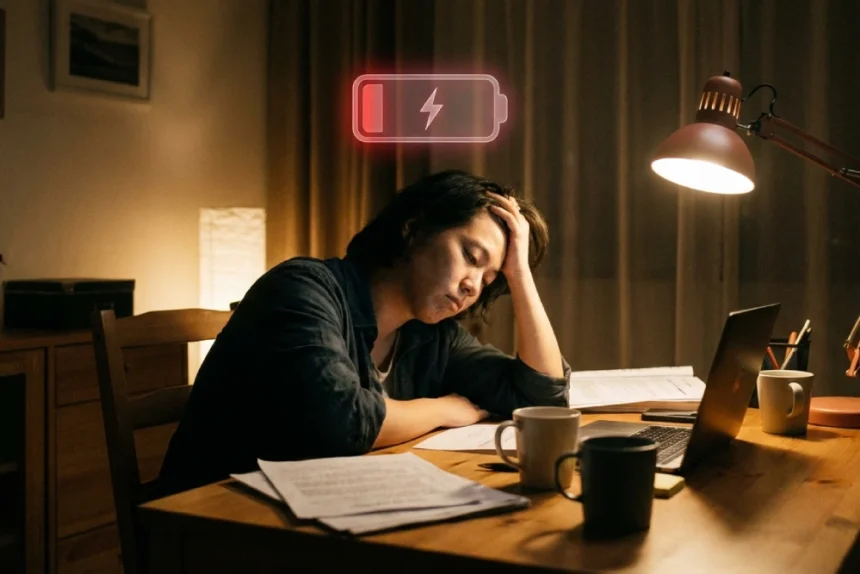
Imagine your phone battery.
Usually, you plug it in at night, and by morning, it’s at 100%. You can scroll, watch videos, and text all day without even thinking about it.
Now, imagine you plug it in all night, but when you wake up, it’s only at 40%. You send two emails, and suddenly it drops to 10%. You try to charge it again, but it takes hours just to gain a tiny bit of power.
For millions of people, this isn’t a tech glitch—it’s the reality of Long COVID.
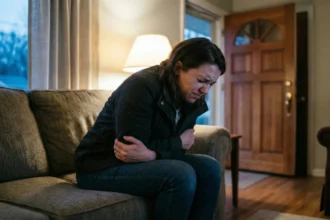
It happens when you get sick, you technically “recover” from the virus, but your body never quite bounces back. If you feel like you’re walking through mud, forgetting simple words, or needing a nap after doing a load of laundry, please hear this: You aren’t lazy.
You are likely part of the 10% to 30% of survivors dealing with post-viral fatigue. Here is the truth about Long COVID symptoms, why you feel this way, and how to gently guide your body back to 100%.
What Is Long COVID? (And Why Won’t It Go Away?)
For most people, a viral infection like the flu or COVID leaves the system in a few weeks. But for some, the virus packs its bags but leaves the lights on.
According to the CDC and WHO, Long COVID is defined by symptoms that stick around—or show up new—three months after you first got sick.
The Scale of the Problem
This isn’t rare. Millions of people are navigating Long COVID recovery right now. In fact, it is currently a leading cause of people missing work or school long-term.
How long does it last?
This is the scary question, right? While everyone is different, data shows symptoms often persist for 6 months to over a year. One major study found that about 20% of patients were still managing symptoms 12 months later. It’s a marathon, not a sprint.
5 Common Long COVID Symptoms to Watch For
The most confusing part of this condition is that it’s a shapeshifter. However, researchers have found patterns. Here are the main Long COVID symptoms to watch for:
1. The “Crash” (Post-Exertional Malaise)
This is the big one, affecting up to 70% of patients. Let’s say you have a stressful day or go for a long walk. You feel okay in the moment. But 12 to 48 hours later, you feel like you’ve been hit by a truck. That’s Post-Exertional Malaise (PEM). It’s your body overreacting to effort.
2. Deep Fatigue and Exhaustion
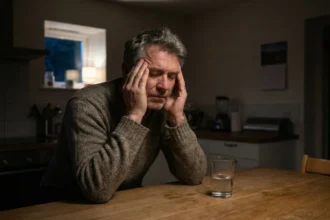
This isn’t “I stayed up too late” tired. It’s a bone-deep exhaustion that sleep doesn’t fix. This hits roughly 60% to 80% of people with Long COVID.
3. Brain Fog and Cognitive Issues
Walking into a room and forgetting why? Struggling to find the right word? Cognitive issues affect 30% to 60% of cases, making school or work incredibly hard.
4. Physical Weirdness
Racing heart when you stand up? Winded just from washing dishes? These are common, too.
The Science: Why Does This Happen?
Why won’t your body just heal? Scientists at the NIH are working overtime to figure out the mechanisms of Long COVID, but right now, there are three main theories:
- The “Ghost” Theory: Tiny fragments of the virus might be hiding in your body, tricking your immune system into fighting a war that’s already over.
- The “Friendly Fire” Theory: The virus might have confused your immune system, causing it to accidentally attack your own healthy cells.
- The Blood Flow Theory: The virus may have caused microscopic inflammation, making it harder for oxygen to travel to your muscles and brain.
How to Manage Long COVID: The “3 Ps” of Pacing
If you’re used to being active, your instinct is probably to “push through” the pain. We’re taught that exercise makes us stronger, right?
Stop.
With Long COVID, pushing through is the worst thing you can do. It triggers that “Crash” we talked about. Instead, experts recommend a strategy called Pacing. Studies show that pacing can reduce symptom flare-ups by 30% to 50%.
The Mayo Clinic breaks it down into the “3 Ps”:
1. Prioritize Your Energy
You have a limited “energy budget” for the day. Don’t spend it all at once.
- Look at your to-do list. What actually needs to be done today?
- What can wait? Be ruthless with your list.
2. Plan Your Day
Don’t run all your errands in one big burst. Spread them out.
- If you shower (which takes a lot of energy), don’t try to clean your room right after.
- Pro tip: Schedule rest breaks before you feel tired. If you wait until you’re exhausted, it’s too late.
3. Pace Yourself (The 50% Rule)
Slow. Down.
- Sit on a stool while chopping veggies or drying your hair.
- Walk at 50% of your normal speed.
- The 50% Rule: If you think you can do 10 minutes of activity, do 5. Save the rest of the energy for healing.
The Power of “Radical Rest”
There is a huge difference between sleeping and resting.
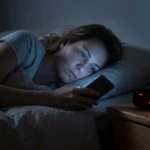
If you are lying in bed but scrolling through TikTok, answering texts, or worrying about grades, you aren’t resting. Your brain is still burning energy.
Radical Rest means truly unplugging.
- Lie down in a quiet room.
- Close your eyes.
- No phone. No music. No podcasts.
- Just exist for 10–15 minutes.
It sounds boring, but studies show this specific type of rest calms your nervous system and helps reduce the severity of Long COVID.
When to Seek Medical Care
While many people recover slowly on their own, you need a professional if:
- You have chest pain or can’t catch your breath.
- Your oxygen levels drop (if you have an oximeter).
- You feel depressed or anxious.
- Your fatigue is getting worse, not better, after a few months.
FAQs
How long does Long COVID usually last?
Recovery timelines vary significantly, but symptoms often persist for six months to over a year. Research indicates that while many patients improve slowly, approximately 20% continue to experience symptoms 12 months after the initial infection. Recovery is typically a “marathon, not a sprint,” requiring patience and long-term symptom management.
What are the most common symptoms of Long COVID?
The most frequently reported symptoms are deep fatigue (affecting 60–80% of patients), brain fog (cognitive dysfunction), shortness of breath, and Post-Exertional Malaise (PEM). For a formal diagnosis, these symptoms must persist or develop three months after the initial infection and last for at least two months.
What is the best way to treat post-viral fatigue?
Currently, the most recommended strategy is “Pacing.” This involves strictly managing energy levels (the “3 Ps”: Prioritize, Plan, Pace) to avoid overexertion. Guidelines suggest doing only 50% of what you think you can handle and practicing “radical rest” to prevent symptom flare-ups and allow the nervous system to heal.
What is Post-Exertional Malaise (PEM)?
PEM is the hallmark symptom of Long COVID, affecting up to 70% of patients. It describes a disproportionate “crash” or worsening of symptoms that occurs 12 to 48 hours after minor physical or mental effort. Unlike normal tiredness, PEM does not improve immediately with sleep and can last for days or weeks.
The Bottom Line: Be Gentle with Yourself
Recovering from Long COVID is a slow walk, not a sprint.
It can be incredibly frustrating to watch your friends bounce back while you’re still struggling to get through the day. It’s okay to feel angry about that.
But remember: Your body is doing hard work on the inside to repair itself. Give it the grace, the time, and the rest it’s asking for. By listening to your body and respecting your limits today, you are helping yourself recharge for tomorrow.
You will get there. Just take it one slow step at a time.
Disclaimer: This blog post is for information only and isn’t medical advice. Always chat with a healthcare professional for diagnosis and treatment.