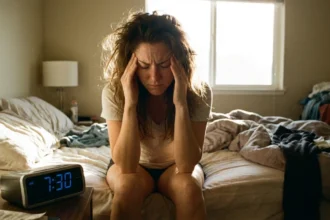



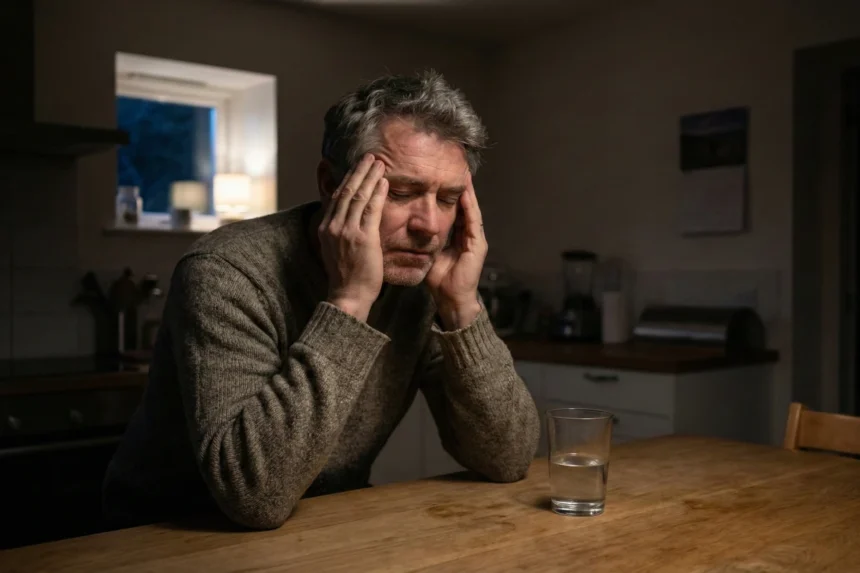
Have you ever felt a strange pounding in your ears after a long day, or a dull headache that just won’t quit? It can feel like your body’s trying to send you a message in a code you haven’t quite learned to read yet. Often, these little signals are the only hints we get that something inside is working a bit too hard. Learning how to manage high blood pressure is about decoding those signs and taking gentle, proactive steps toward a calmer, healthier heart.
To understand a blood pressure reading, think of a simple garden hose. When you turn the water on, it pushes against the sides of the hose. Your blood pressure is just that: the “push” of your blood against the walls of your arteries. When that push is consistently too strong, we call it hypertension. This extra force can stretch and damage your “hoses,” making it harder for blood to get where it needs to go. While the WHO reports that 1.4 billion adults live with this condition, you can lower blood pressure naturally with the right habits.
Understanding Hypertension: The “Garden Hose” Analogy
When your heart pumps, it creates force. If you don’t manage high blood pressure, that force begins to scar your arteries, making them stiff and narrow. Currently, about one in three people aged 30 to 79 are living with this challenge, and nearly half don’t even know it. This is why understanding your systolic and diastolic numbers is so vital; they tell the story of your heart at work and at rest.
Recognizing the Silent Signals of Elevated Pressure
The CDC often refers to hypertension as a “silent” condition because 90% of people don’t feel obvious hypertension symptoms until some damage has occurred. In the beginning stages, fewer than 10% of people actually get headaches or nosebleeds. You might notice subtle signs like shortness of breath during easy activities or a “pulsing” sensation in your neck.
However, symptoms usually only become undeniable during a hypertensive crisis. The Mayo Clinic defines this as a blood pressure reading of 180/120 or higher. At this level, many people experience severe headaches and vision changes. If you ever feel those alongside chest pain, it’s time to seek medical care immediately.
Save this for later. You might want to check back on these signs the next time you’re feeling a bit “off” or overly fatigued.
5 Proven Strategies to Manage high blood pressure Naturally
The silver lining is that your heart is incredibly responsive to how you live. You don’t always need a pharmacy to start seeing a change in your cardiovascular health.
Reducing Sodium Intake for Immediate Relief
Most of us eat way more sodium intake than we realize. Too much salt pulls more water into your blood vessels, which increases the volume and the pressure. The good news? Even a small, universal reduction in salt can drop your top number by 5–6 mmHg. Try seasoning your food with fresh herbs or lemon instead of the salt shaker.
Adopting the DASH Diet for Long-Term Success
The NIH highly recommends this plan to manage high blood pressure. It focuses on fruits, vegetables, and whole grains. DASH diet benefits include a significant reduction in pressure—sometimes by an impressive 11/6 mmHg—by providing your body with the potassium it needs to flush out extra salt.
Strengthening the Heart Through Daily Movement
Whether it’s a bike ride or a fast walk, strengthening your heart allows it to pump more blood with less effort. This helps lower blood pressure naturally by reducing the constant strain on your vessel walls. This habit alone can cut your risk of hypertension by 20–30%.
Managing Stress to Calm Your Nervous System
Stress literally tightens your blood vessels. Deep breathing or simply putting your phone away helps your nervous system step down from a “high alert” state. This protects your vessels from cortisol spikes and helps you manage high blood pressure by allowing your heart rate to settle into a healthy rhythm.
Prioritizing Hydration and Quality Sleep
Drinking enough water helps your kidneys flush out excess salt. Additionally, poor sleep is particularly sneaky; it can raise your nighttime blood pressure reading by 10–20 mmHg. Quality rest gives your heart the “down time” it needs to repair and reset for the day ahead.
When to Seek Professional Medical Support
Natural management is a powerful first step, but it works best alongside professional guidance. It’s a good idea to talk to a healthcare provider if your home readings are consistently above 130/80, or if you have a family history of heart disease.
Hypertension is a major health challenge, but it is one you can successfully navigate. By making small, sustainable shifts today, you’re ensuring that your “internal hoses” stay healthy for the long haul. You’ve got this!
FAQs
What is the “garden hose” analogy for high blood pressure?
High blood pressure, or hypertension, is the force of blood pushing against artery walls, similar to water pushing against a garden hose. Consistently strong pressure can stretch and damage these “hoses,” making it harder for blood to reach its destination. Over time, this force can scar arteries, making them stiff and narrow.
Why is hypertension often called a “silent” condition?
Hypertension is termed a “silent” condition because approximately 90% of individuals do not experience obvious symptoms until significant damage has occurred. Early signs, such as headaches or nosebleeds, appear in fewer than 10% of cases. Most people only notice undeniable symptoms, like severe headaches or vision changes, during a hypertensive crisis.
How can the DASH diet help manage high blood pressure naturally?
The DASH diet focuses on fruits, vegetables, and whole grains to provide the body with potassium. This nutrient helps flush out excess salt, which can significantly reduce blood pressure by as much as 11/6 mmHg. By managing sodium intake and increasing potassium, the diet helps lower the volume and pressure within blood vessels.
When should a blood pressure reading be considered a medical emergency?
A blood pressure reading of 180/120 or higher is defined by the Mayo Clinic as a hypertensive crisis. This level of pressure is a medical emergency that often causes severe headaches and vision changes. If these symptoms occur alongside chest pain, you should seek professional medical care immediately to prevent further complications.
How does daily movement contribute to cardiovascular health?
Regular physical activity, such as a 30-minute brisk walk, strengthens the heart, allowing it to pump blood with less effort. This reduces the constant strain on vessel walls and can lower blood pressure naturally. Engaging in consistent daily movement can cut the overall risk of developing hypertension by 20% to 30%.
Disclaimer: This article provides general information for educational purposes only. It is not intended to be a substitute for professional medical advice, diagnosis, or treatment. Always seek the advice of your physician or another qualified health provider with any questions you may have regarding a medical condition or before making changes to your heart-healthy lifestyle.